
T Tulphenix
A Seoul accounting office at dawn with an open ruled ledger, a stamp pad and a fanned stack of invoices on a maple desk under cool window light.
01 Chapter one of six

Your Korean ledger, already clear on Tuesday morning.

Tulphenix is an educational resource for businesses in South Korea learning how cloud accounting works in practice — the general ledger in KRW, VAT, electronic tax invoices and Hometax routines, explained as they are actually done.

  1. 01 Installation — setting up the ledger and the chart of accounts in KRW
  2. 02 VAT & e-tax invoices — how the two meet in the ledger
Criteria VAT E-Invoice Hometax KRW Multi-entity Cost

Two facing lanes

How experienced users judge quality

Experienced finance staff look past feature checklists. They check whether bank reconciliation actually matches Korean bank statement formats, whether receivables ageing reflects real collection habits, and whether the general ledger stays clean after three month-end closes. Use the same tests in the two facing lanes below.

Left lane · SMB fit

Local platforms built around Hometax workflows

WEHAGO T from Douzone is structured around National Tax Service routines from the start; KRP is another local name that continues to appear in market coverage for online accounting software. For service firms billing monthly retainers, or online sellers with steady invoice volume, this is often the shortest path from paper to a clean ledger.

  • VAT — tax codes and e-tax invoice records sit inside the same system as the ledger.
  • Hometax — issuance and matching line up with filing routines, reducing retyping at month-end.
  • KRW — amount fields default to the domestic currency, and bank feeds read Korean statement layouts.

Right lane · Global + ERP fit

Global bookkeeping tools, or an ERP when the workload grows

QuickBooks, Zoho Books and Xero cover bookkeeping, invoicing and reporting reliably, and are easy to run in English. Korean VAT evidence and e-tax invoice issuance usually need a parallel process documented and reviewed. When inventory, purchasing, approvals and multi-entity reporting enter the picture, SAP S/4HANA Cloud Public Edition, Oracle NetSuite and the Korean enterprise suite OmniEsol come into the conversation.

  • E-Invoice — issuance is not native to most global bookkeeping apps; plan the outside process before migration.
  • Hometax — matching is supported through exports; review the process with your tax agent each period.
  • Multi-entity — approvals, consolidation and cross-entity reporting are where ERP depth actually pays off.

Tulphenix does not sell or resell these products. We describe how each type of system fits different team sizes, and where the handoff point between bookkeeping and ERP sits in workload terms.

A shop owner reconciling bank transactions on a laptop beside a card terminal in a small Seoul store at dusk.

Chapter four · Reconciliation

Matching two sides row for row until they agree

This is the work that decides whether cloud accounting survives daily use. Bank feeds are matched against statement lines, VAT evidence is held beside the entry that claims it, and the receivables ageing is checked against how customers actually pay — not against how the report says they should.

Implementation shelf

A note on Hometax fit, and where to start

Hometax integration is often the deciding factor for Korean bookkeeping software. Local platforms like WEHAGO T are structured around National Tax Service workflows from the start. Global tools such as Xero or QuickBooks handle core bookkeeping well but need a clear process for VAT evidence and e-tax invoice records kept outside the app. We explain both paths honestly, with steps your team can follow rather than promises about automation.

Step 01

Set tax codes before migration

A common beginner mistake is creating VAT codes after transactions are already posted. Configure the codes and mappings first so your first VAT return from the new system reconciles cleanly.

Step 02

Run a parallel close for one month

Run the old and new systems side by side through one full month-end close. This catches mapping gaps and unpaid balances before they become part of the record.

Step 03

Migrate clean balances, not hopeful ones

Reconcile every unreconciled balance before it moves. Hoping the new system will tidy up old differences is the first mistake our guides are written to prevent.

Step 04

Tie the timetable to your VAT filing dates

Build the go-live sequence backwards from your filing calendar. A realistic timetable is the difference between a clean cut-over and one that lands on a tax deadline.

Many visitors ask whether global tools work well in South Korea, how local platforms handle VAT and e-tax invoices, and what finance teams actually need most in a cloud system. Short answers live on the FAQ page; longer explanations link from each chapter.

Read common questions
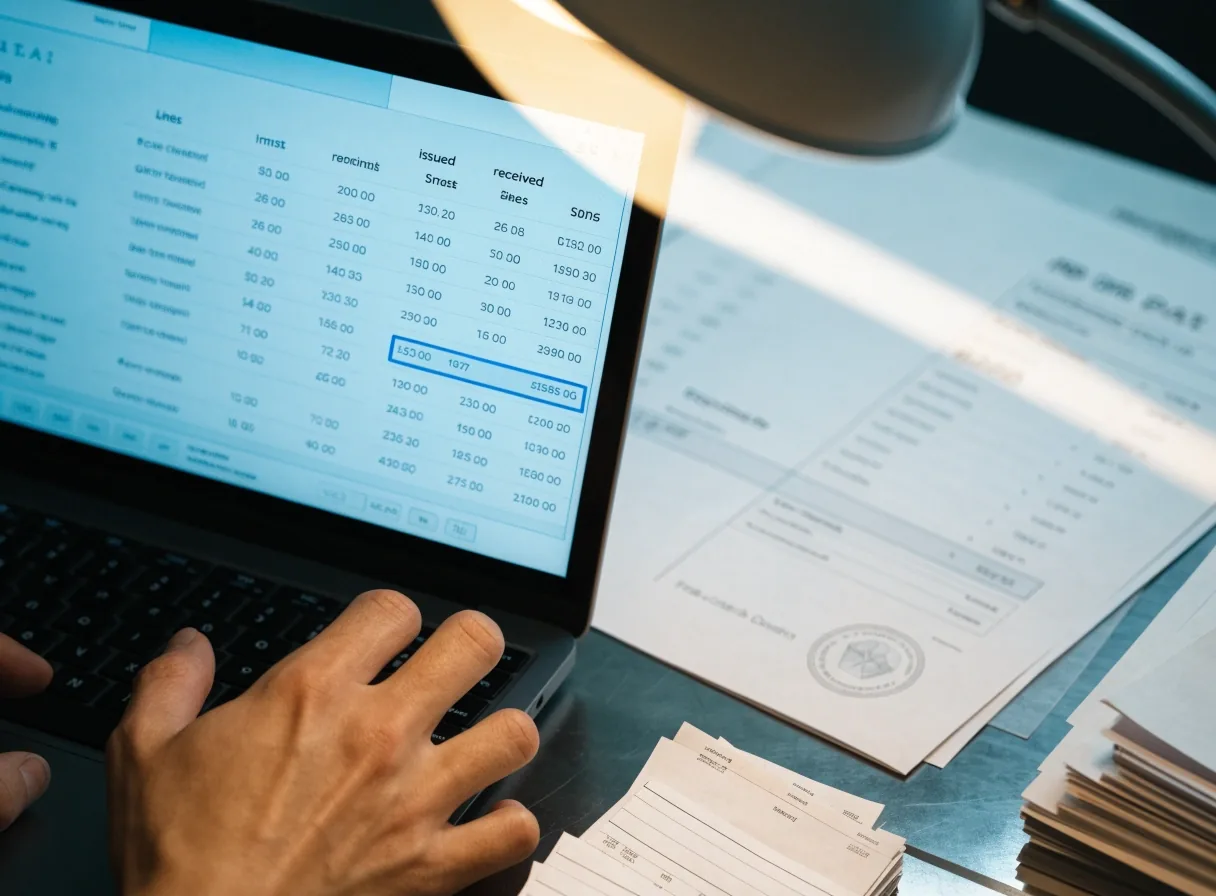
A bookkeeper's hands entering an electronic tax invoice on a laptop during a VAT period, with a printed invoice on the desk.
E-tax invoice entry, first week of a VAT period

Filed total

6

chapters of the course ledger, filed in one place. Read them in any order — the ledger is open and the thread continues past this page.

What Tulphenix will not tell you

We do not rank a single best product for every Korean SMB, we do not publish prices or figures we cannot verify, and we do not suggest a system removes the need for review. When a workflow needs an accountant or tax agent, we say so.

For Seoul SMBs and regional teams

Our examples use Seoul business patterns: service firms billing monthly retainers, online sellers with high invoice volume, and small manufacturers tracking payables in KRW. The same principles hold in Busan, Incheon or Daegu — what changes is volume and approval habit, not the ledger logic.

Subsidiaries and mid-market readers

If you support a Korean subsidiary of a foreign company, start with our notes on Oracle NetSuite and SAP S/4HANA Cloud Public Edition. Zoho Books or Xero may still handle a small local entity, but consolidation and approvals usually push growing firms toward ERP.

Where to start on this site

A Tuesday-morning question leads to a working answer

New to cloud accounting? Read the features pages for ledger, payables, receivables and reconciliation basics. Choosing between systems? The platform comparison walks through SMB versus mid-market fit. Planning a move? The implementation guide covers the whole sequence.

  1. New owners

    How cloud bookkeeping differs from spreadsheets and desktop files, and what actually changes on day one.

  2. Bookkeepers

    VAT codes, Hometax routines, e-tax invoice matching, and how the ledger stays clean after three closes.

  3. Managers

    What ERP adds when inventory, purchasing or multi-entity reporting enters the picture, and where the handoff sits.

  4. Advisors

    How to brief clients on migration effort without disrupting tax deadlines, and which questions to raise before commitment.

Common questions from new readers

Short answers, with longer explanations linked from each chapter

Q.01 Which cloud accounting software is best for a Korean SMB?

It depends on invoice volume, VAT routine, and whether you need Hometax-centered workflows. Local SMB tools fit many service firms, while global bookkeeping apps suit teams with simple domestic tax needs and English-language reporting.

Q.02 Do Xero or QuickBooks work well in South Korea?

They cover bookkeeping, invoicing and reporting reliably. Korean VAT evidence and electronic tax invoice issuance usually need a separate compliant process, so plan for that pairing before you commit.

Q.03 What is the difference between accounting software and ERP in Korea?

Accounting software records the ledger, payables, receivables and VAT. ERP adds operations such as inventory, purchasing and consolidated reporting, as seen with NetSuite, SAP S/4HANA Cloud and OmniEsol.

Q.04 How important is Hometax integration for bookkeeping software?

Very important for firms with regular VAT filings. It reduces retyping, keeps invoice evidence aligned, and simplifies the month-end VAT check.

Maintained as a reading library, not a sales funnel

Browse freely, send a correction if you spot one, and suggest coverage where Korean practice has moved on. If you have an unclear point in your own books, our team reads inquiries during the working week and replies one at a time.

Ask about a guide

Mon–Fri · 9:00–18:00 · [email protected]